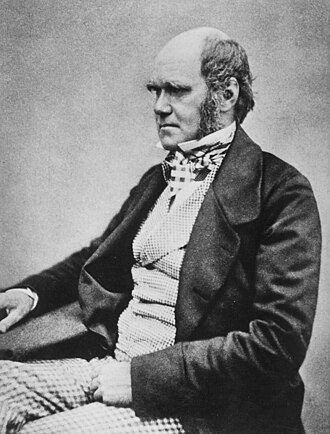
Charles Darwin worked out the core idea of natural selection around 1838. He didn't publish On the Origin of Species until 1859 — twenty-one years later.
He spent those decades collecting more evidence, refining the argument, studying barnacles for eight straight years almost as a delay tactic. But by his own later admission, a lot of that delay wasn't really about needing more data. It was fear. He knew exactly how explosive the idea was — how directly it would collide with the religious and social assumptions of his entire society, including people he loved. He wrote to a friend that confessing the theory felt "like confessing a murder."
What finally forced his hand wasn't confidence. It was Alfred Russel Wallace, a naturalist working independently in the Malay Archipelago, sending Darwin a letter in 1858 outlining almost exactly the same theory. Darwin only published because the alternative was losing credit entirely for two decades of work he'd been too afraid to release.
The lesson here isn't "don't be careful" — some of Darwin's caution genuinely improved the final argument. It's narrower: there's a real difference between refining something because it isn't ready, and refining something forever because you're afraid of what happens once it is. Those two things feel identical from the inside. They only look different from the outside, usually right around the moment someone else finally does the thing you'd been quietly perfecting into permanent delay.
If there's a version of your own twenty-year barnacle project sitting in a drawer right now, it's worth asking honestly which of the two you're actually doing.